Deck Framing Essentials
Deck framing has gotten complicated with all the material specs, joist spacing options, and connection requirements flying around. As someone who has framed decks of every size and configuration, I learned everything there is to know about building a solid structural backbone. Today, I will share it all with you.

Materials Needed
Probably should have led with this section, honestly—here’s what you need:
- Pressure-treated lumber for moisture and insect resistance
- Galvanized bolts and screws to prevent rust
- Joist hangers for solid support
- Concrete footings for stable foundation
- Metal connectors at critical joints
Foundation Work
That’s what makes proper footings endearing to us structural-minded builders—they support the entire deck weight:
- Dig holes below frost line and fill with concrete
- Embed metal post anchors in wet concrete
- Allow concrete to cure fully
- Fix vertical posts into anchors, ensuring plumb alignment
- Use temporary bracing to hold position
Building the Frame
For attached decks, secure the ledger board to your house with lag screws. Install flashing above the ledger to prevent moisture infiltration. Freestanding decks skip this step.
Lay rim joists on top of posts—these form the outer framework. Attach with metal connectors and screws. Install interior joists spaced evenly (usually 16 inches apart) using joist hangers.
Add bridging or blocking between joists to prevent twisting and maintain consistent spacing.
Beam Installation
Support beams run parallel to rim joists, transferring loads to posts. Use metal connectors and galvanized screws. Ensure beams sit level to avoid uneven deck surfaces.
Fastening
- Secure all connections carefully with appropriate hardware
- Use hurricane ties at joist-to-beam connections for wind resistance
- Don’t over-tighten—this damages wood
Decking Boards
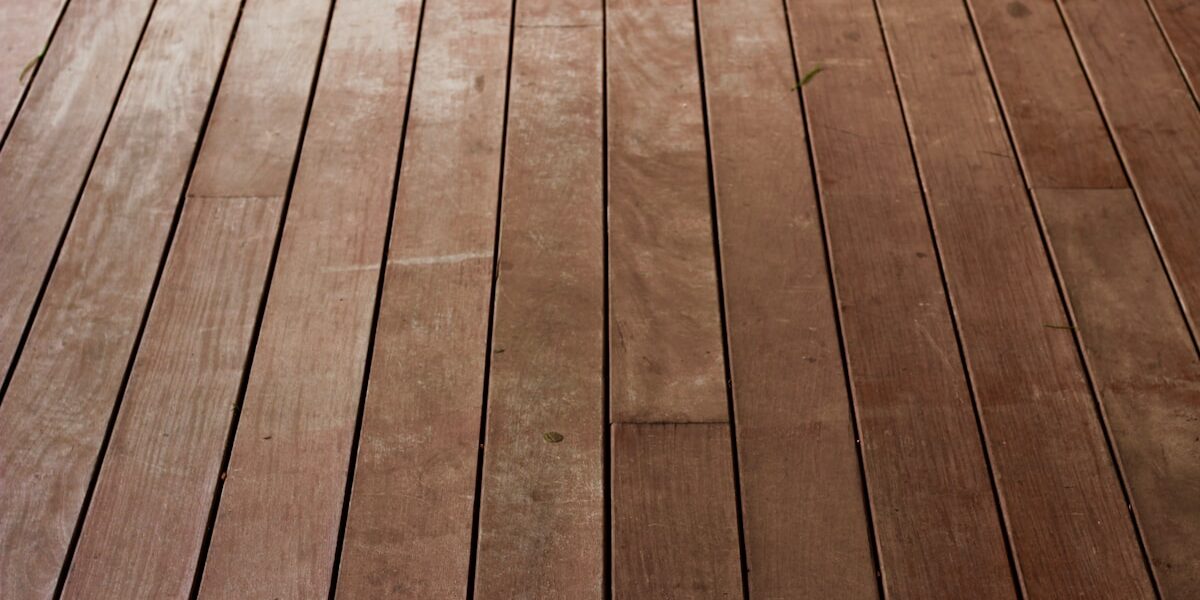
Lay boards perpendicular to joists, starting from one edge. Space boards using small spacers for drainage. Screw or nail into joists below. Overhang slightly beyond rim joists for clean edge when trimmed.
Railings and Stairs
Attach railing posts securely to the frame, following local codes for height and baluster spacing. For elevated decks, plan stairway span, width, and riser height before cutting stringers.
Inspection and Maintenance
- Check each connection and lumber piece after construction
- Clean deck surface regularly
- Tighten loose screws and reapply sealant annually




Stay in the loop
Get the latest northwest renovate updates delivered to your inbox.