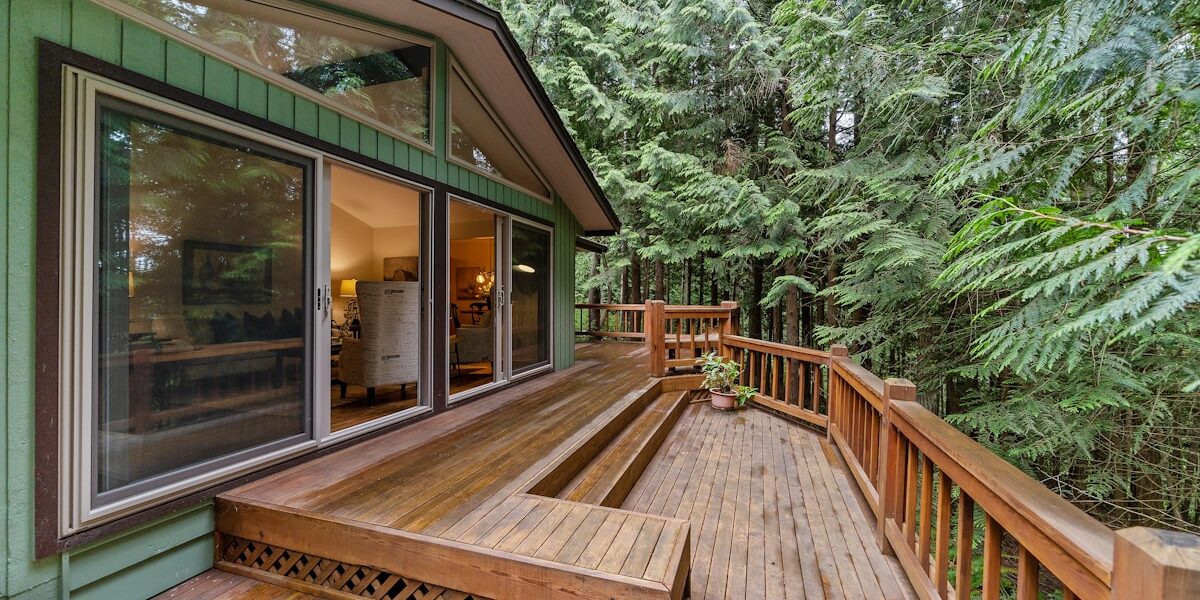
Building a Deck Over a Roof
Rooftop deck construction has changed quite a bit thanks to the waterproofing requirements, structural considerations, and drainage systems flying around. As someone who has built decks over every roof type imaginable, I worked through the fundamentals of creating functional outdoor spaces above your living area. Today, I will share it all with you.

Initial Preparations
Probably should have led with this topic, to be honest—start with these critical steps:
- Consult local building codes—permits are usually required
- Verify structural integrity can support the deck
- Get precise measurements of the roof area
- Plan for adequate drainage to prevent water damage
- Evaluate roof slope for flat, stable deck surface
Material Selection
That’s what makes material choice endearing to us rooftop builders—proper selection prevents problems:
- Pressure-treated lumber for durability
- Composite decking for low maintenance
- Rust-resistant metal brackets and screws
- Rubber pads or protective membranes to prevent roof damage
- Elevated deck boards for airflow and drainage
Design Considerations
- Determine deck height allowing for ventilation and slope
- Plan joist placement, spacing, and deck board layout
- Include railings if required by code
- Design access points for doors and stairs
Framing the Deck
- Start with ledger board secured firmly to building structure using lag bolts
- Install edge beams defining the deck perimeter
- Attach to ledger and opposite roof edge, ensuring level and square
- Place joists evenly according to design with joist hangers for stability
Decking Installation
- Lay boards perpendicular to joists from one end across
- Provide spacing for expansion
- Secure with screws or hidden fasteners
- Trim edges with circular saw for clean look
Railings and Finishing
Install railing posts spaced according to code. Add horizontal or vertical balusters for safety. Stain or seal deck boards to preserve and enhance the wood.
Drainage
- Install drainage system if necessary (drains, scuppers, gutters)
- Ensure proper slope for effective water runoff
- Avoid water pooling at all costs
Inspection and Safety
Inspect thoroughly before use. Check all fasteners and connections. Conduct regular inspections for long-term safety and durability.




Stay in the loop
Get the latest northwest renovate updates delivered to your inbox.